The Art of Storytelling in Jewellery Design!
A beautiful piece of jewellery catches attention.
A meaningful piece makes us pause.
And a piece with a compelling story makes us remember it.
As jewellery designers, we often spend hours thinking about form, proportion, gemstones, materials, techniques and finishes. But there is another layer that can transform a design from visually attractive to emotionally memorable — The story behind it!
Storytelling in jewellery design isn’t about writing elaborate paragraphs or giving a dramatic explanation to an already-finished piece. It is about answering one simple question: “Why does this design exist?”
With over 15 years of exploring, learning and growing through my creative journey—designing jewellery, mentoring aspiring designers and enthusiasts, and receiving a few awards along the way—I’ve come to appreciate that a great design is not just about how it looks, but the story it tells.
Here, I’m sharing a few storytelling principles and guidelines I’ve learnt and continue to follow while creating design stories that connect, resonate and stay with the viewer long after the first impression.
1. Don't start with the jewellery. Start with the thought.
One of the most common ways designers introduce their work is:
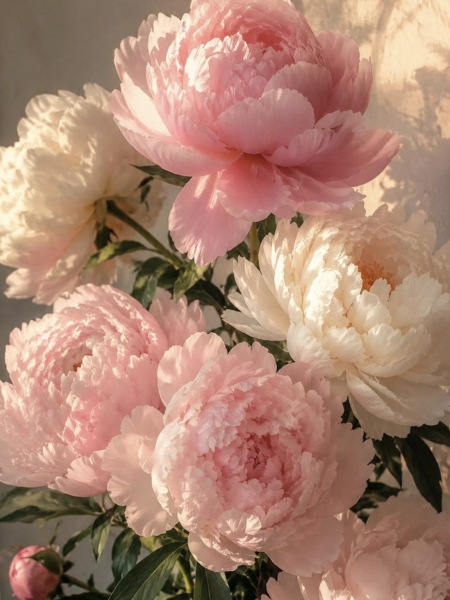
“My collection is inspired by flowers” or “This necklace is inspired by the ocean”
But these statements tell where you looked for inspiration. They don’t tell What you saw, What you understood, or Why it became the jewellery it is now.
Begin with a trigger: an observation, memory, emotion, question, culture, etc. Then ask, what did his trigger make me think about? Your first sentence itself should create curiosity.
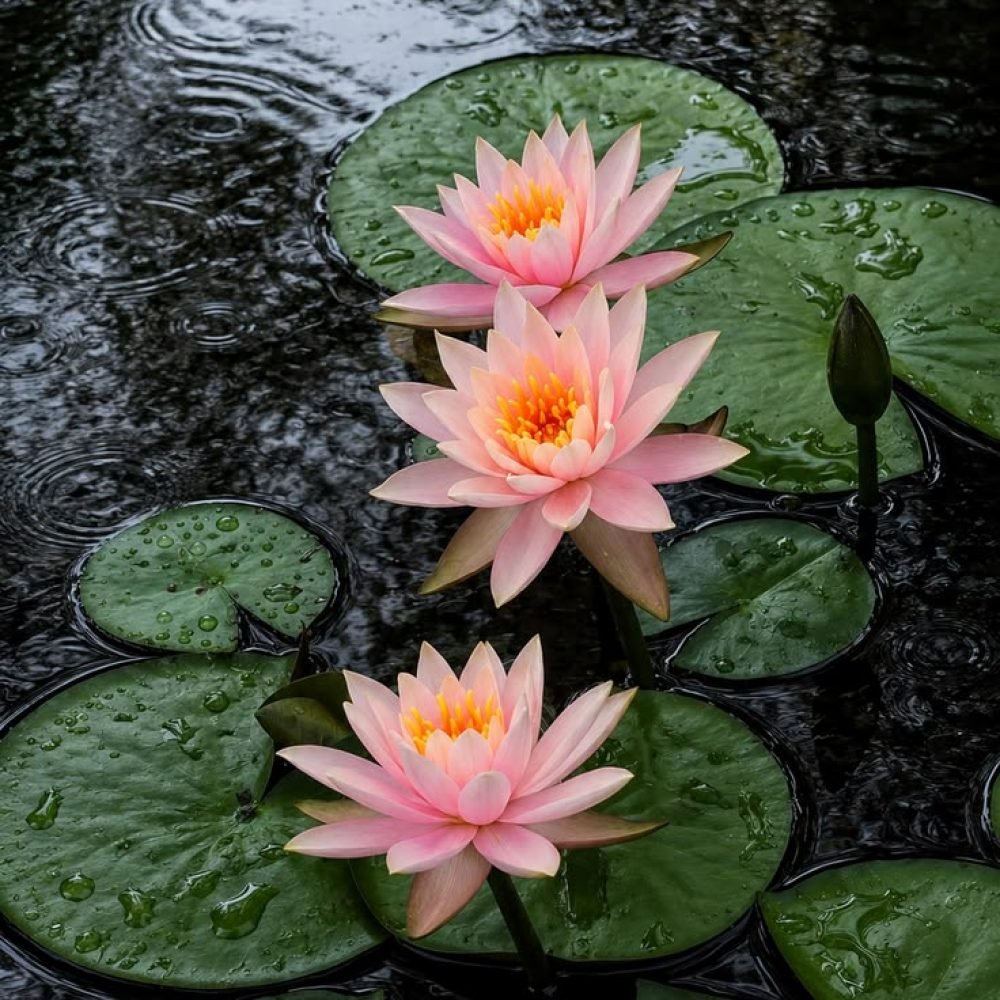
For example, to start with an observation: “I was fascinated by how a flower gradually reveals its structure as it opens.”
Now there is something to explore. The designer is thinking about revelation, growth, vulnerability or transformation. And this thought can then become the foundation of the design.
A useful way to think about it:
I noticed → I wondered → I explored → I designed
That is where storytelling begins.

2. Inspiration is not same as the Concept.
Your inspiration is not your concept. It is just a guiding path. This distinction can completely change the way a design student presents their work.
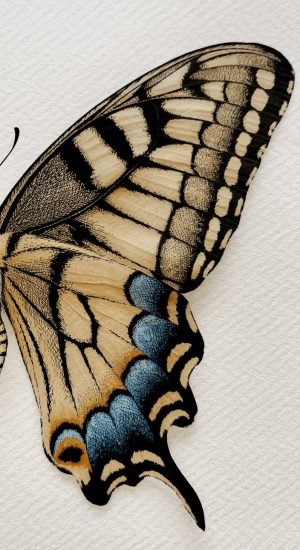
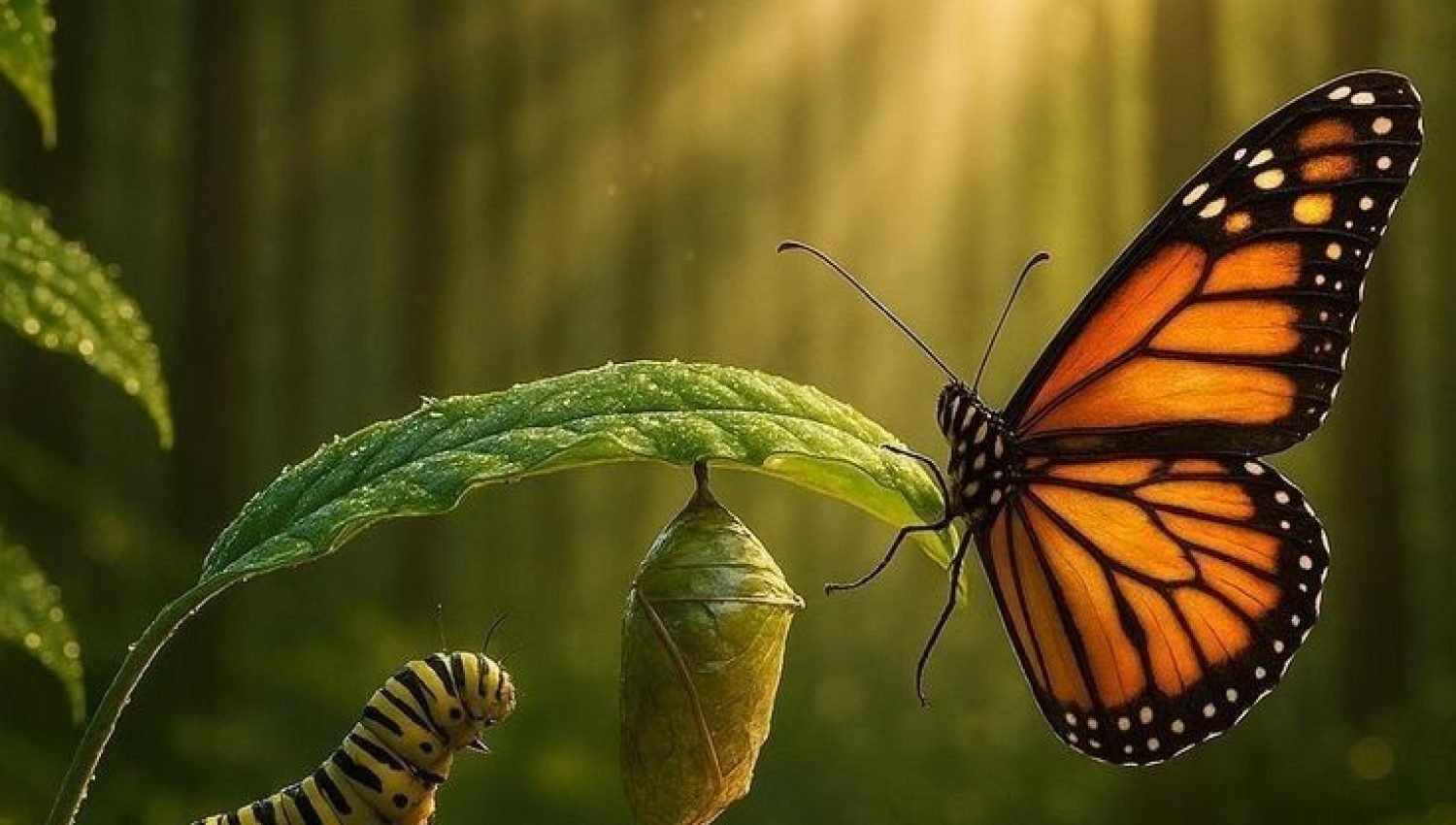
Inspiration: Butterfly
Concept: Personal transformation
Inspiration: Ocean waves
Concept: Constant change
Inspiration: Peacock feathers
Concept: Beauty combined with structural fragility
The butterfly isn’t the story.
The ocean isn’t the story.
The peacock isn’t the story.
They are just the starting points.
The concept is the thought that you want the jewellery to communicate.
3. Ask “Why?” — and then ask it again.
A surprisingly powerful design tool is the simple question: WHY?
Imagine a student says: “My collection is inspired by butterflies.”
Why butterflies? “Because they represent transformation.”
Why transformation? “Because growing up means constantly changing.”
Why is that important? “Because we often have to leave behind familiar versions of ourselves.”
Now the designer has moved from visual inspiration → symbolism → human experience.
That is where the story becomes interesting.
Try asking “Why?” multiple times. The goal isn’t to force five answers. The goal is to move from “It looks beautiful” towards “It means something to me, and that meaning influences my design.”
4. Build the story using the 7-step formula
You don’t need complicated writing. You just need a curiosity driven fresh perspective.
Start with these seven questions:
01 — I noticed… What caught your attention?
02 — It made me think or feel…. What thought, emotion or question emerged?
03 — I discovered…. What did your research reveal?
04 — I decided to explore…. What became your central concept?
05 — I translated it through…. How did the concept influence your forms, proportions, materials, gemstones, textures, techniques, etc.
06 — I wanted the wearer to feel…. What emotional experience should the jewellery create?
07 — Ultimately…. What is the one thought or message you want the viewer to take away?
This structure works equally well for a single jewellery piece, a collection, a graduation project or a portfolio presentation.
5. Weak story v/s a Strong one!
Let’s quickly take a quick look at the difference between a weak story and a strong one.
The predictable version:
“My collection is inspired by the lotus. The lotus represents purity and beauty. I have used gold and pink stones to create elegant jewellery. The collection is timeless and unique.”
Nothing is technically wrong with it. But it could describe hundreds of jewellery collections and speaks of nothing viewer might not know about.
Now consider this design-led version:
“I was drawn to the lotus because it grows from muddy water yet gradually reveals a delicate, open form. I began exploring the contrast between rough beginnings and visible beauty. The layered petals became the structural language of the collection, while textured metal represents the water and polished surfaces represent emergence. I wanted the jewellery to express growth not as perfection, but as transformation.”
The second story gives us something to see, understand and feel.
More importantly, it shows us how the idea became design.
6. Avoid this!!!
Good storytelling is also about knowing what to leave out.
– Don’t start with a dictionary definition, “A lotus is an aquatic plant that…”. Your audience can find that information in seconds on their own.
– Don’t describe what the viewer can already see. “The necklace has three circular elements and five blue stones.” Rather, tell why those elements are there.
– Don’t hide behind complicated vocabulary. Sophisticated design thinking does not require complicated English. Follow the formule: “Simple + specific = powerful.”
– Don’t overuse words like beautiful, elegant, luxurious, exquisite, timeless, unique, mesmerising. These words mean very little without a reason behind them.
– Don’t build a story after the design just to justify it. The strongest stories emerge from the design thinking process itself.
– And finally— Don’t tell everything. A compelling story is not a research report. Choose the details that strengthen the narrative and leave the rest behind.
A story should sound like YOU.
There is no single “correct” way to tell a jewellery story.
Your story could begin with a childhood memory.
A piece of architecture.
A traditional craft.
A scientific phenomenon.
A personal experience.
A social observation.
A forgotten object.
A question you’ve never stopped thinking about.
What truly matters is that the connection must be genuine. Because when the story is authentic, the design decisions begin to feel intentional.
The golden rule
Don’t tell only what inspired you. Tell what you discovered, what you understood, and how that understanding changed your design. Because inspiration gives you the starting point. Research gives you depth. Concept gives you direction. Design gives the story a physical form. And emotion gives it meaning.
That is the art of storytelling in jewellery design.
ABOUT THE AUTHOR
Mridu Jain is a jewelry design mentor and Procreate jewelry educator from India who has trained students in creating professional jewelry concepts, rendering techniques and manufacturing-ready designs. Through Chiyo India she helps aspiring designers build careers in the jewelry industry using both traditional sketching and digital design.
CHIYO
by Mridu Jain
Join my community!